

Mastectomy Drain Care Tips
Understanding the intricacies of mastectomy drains is essential for a smooth recovery. As you embark on this journey, consider how these drains play a pivotal role in your healing process. Are you prepared to take charge of your recovery?
What You Will Learn
- Mastectomy drains aid in fluid collection, preventing complications and promoting healing.
- Proper management of drains is key to recovery; monitoring output can indicate healing progress.
- Understanding different types of drains (Hemovac vs. Jackson-Pratt) empowers you in your care.
- Regular follow-up appointments with your healthcare team are vital for assessing recovery and making necessary adjustments.
- Engaging with support communities can provide emotional reassurance and practical advice during recovery.
Understanding Mastectomy Drains: Function & Types
This visual highlights the key functions of mastectomy drains and compares the two common types, Hemovac and Jackson-Pratt, in a clear, side-by-side format.
Key Functions of Mastectomy Drains
1. Fluid Collection
Collects blood and other fluids to reduce swelling post-surgery.
2. Seroma Prevention
Crucial for preventing fluid pockets that can hinder healing.
3. Monitoring Recovery
Output changes indicate healing progress or potential issues.
Hemovac Drain
- • Larger reservoir for high fluid volume.
- • Relies on continuous suction for drainage.
Jackson-Pratt (JP) Drain
- • Smaller bulb for smaller fluid collections.
- • Requires compression to create suction.
Understanding the Role of Mastectomy Drains in Recovery
After undergoing a mastectomy, you might find yourself navigating a variety of new experiences, and understanding the role of mastectomy drains is crucial to your recovery. These drains are placed during surgery to help eliminate excess fluid buildup, which can lead to complications if not managed properly. They play a vital role in keeping your body free of fluid that could hinder healing and increase the risk of infection.
So, how do these drains work? Essentially, they create a pathway for fluids to exit your body, allowing you to heal more effectively. As you move through your recovery, it’s important to familiarize yourself with how to care for them and what to expect.
What Are Mastectomy Drains and How Do They Work?
Mastectomy drains are small tubes inserted into your body during surgery. They are designed to collect fluid, which helps prevent swelling and promotes healing. The fluid is then collected in a bulb or container attached to the drain. Understanding their function will help you manage them effectively and identify any potential issues.
- Fluid Collection: Drains help collect blood and other fluids to reduce swelling.
- Prevention of Seromas: Drains are essential in preventing fluid pockets called seromas.
- Monitoring Recovery: The output can indicate how well you are healing; changes might prompt a call to your healthcare provider.
It’s natural to feel apprehensive about having drains after surgery. However, being informed about their purpose can ease some of that anxiety and help you feel more in control of your healing journey.
The Importance of Drain Management Post-Surgery
Once you’re home, proper drain management becomes a key aspect of your recovery process. Regularly checking and maintaining your drains not only aids in your healing but also provides peace of mind. If you notice any changes, such as increased output or unusual colors, it’s important to reach out to your healthcare team. Learning more about mastectomy drain care can further empower you in this crucial stage.

- Check Drain Output: Keep an eye on the volume and color of the fluid.
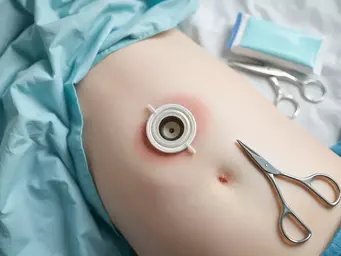
- Keep the Area Clean: Clean the insertion site daily to reduce the risk of infection.
- Record Your Findings: Documenting your drainage can help you and your doctor track your recovery progress.
By establishing a routine for drain management, you can enhance your recovery experience. It’s about taking proactive steps to ensure your body heals optimally.
Types of Surgical Drains: Hemovac and Jackson-Pratt Explained
There are two common types of surgical drains you might encounter: the Hemovac and the Jackson-Pratt (JP) drain. Each has its unique design and function, but they serve the same purpose of aiding recovery.
- Hemovac: This drain has a larger reservoir and is often used for areas with a higher volume of expected fluid. It relies on suction to collect drainage.
- Jackson-Pratt (JP): The JP drain has a smaller bulb that you compress to create suction. It’s particularly effective for smaller fluid collections.
Understanding these differences can help you feel more empowered as you manage your drains. If you have any questions or concerns about the type of drain you're using, don’t hesitate to discuss them with your healthcare provider. They’re here to support you every step of the way!
We Want to Hear From You!
What concerns or questions do you have about managing your mastectomy drains? Share your thoughts below:
Frequently Asked Questions About Mastectomy Drains
Q: What are mastectomy drains used for?
A: Mastectomy drains are small tubes inserted during surgery to collect excess fluid (blood and lymphatic fluid) from the surgical site. This prevents fluid buildup, reduces swelling, and helps prevent complications like seromas and infections, ultimately promoting faster and more effective healing.
Q: How do I manage my drains at home?
A: Proper drain management involves regularly checking the volume and color of the fluid output, cleaning the drain insertion site daily to prevent infection, and meticulously documenting drainage amounts. This routine helps both you and your healthcare provider monitor your recovery progress.
Q: What is the difference between a Hemovac and a Jackson-Pratt (JP) drain?
A: Both Hemovac and Jackson-Pratt (JP) drains serve the same purpose of removing fluid. A Hemovac drain typically has a larger reservoir and relies on continuous suction, often used when a higher volume of fluid is expected. A JP drain has a smaller, bulb-shaped reservoir that requires manual compression to create suction and is often used for smaller fluid collections.
Q: When will my mastectomy drains be removed?
A: The timing of drain removal depends on your individual healing process and the volume of fluid being drained. Your healthcare provider will monitor the drain output during your follow-up appointments and will remove them when the drainage volume significantly decreases, usually indicating that the body is managing fluid on its own.
Q: What should I do if I notice unusual symptoms or concerns with my drains?
A: It is crucial to report any unusual symptoms or concerns to your healthcare team immediately. This includes increased drain output, changes in fluid color (e.g., bright red blood), signs of infection at the insertion site (redness, warmth, pus), fever, or increased pain. Early intervention can prevent potential complications.
Reassurance and Next Steps for Mastectomy Drain Management
After your mastectomy and the initial recovery phase, it’s crucial to understand the next steps in managing your drains. This part of your journey can be overwhelming, but knowing what to expect and how to care for your drains will help ease your worries. At Mastectomy Insight Hub, we’re here to guide you through this process with compassion and understanding!
During your follow-up visits, your healthcare team will assess your recovery progress and provide tailored advice. Here’s what you can expect during these appointments:
- A thorough examination of your surgical site and drains
- Discussion of your drain output and any concerns you may have
- Adjustments to your care plan if necessary
These follow-up appointments are vital in ensuring that you’re on the right path to healing!
Follow-Up Care: What to Expect in Your Recovery Journey
Follow-up care is an essential part of your recovery journey after a mastectomy. At these appointments, your healthcare provider will monitor your healing progress and address any questions. It’s normal to feel anxious about what they’ll find, but understanding the process can make it less daunting.
- Routine checks to ensure there is no infection at the incision or drain sites
- Guidance on when it may be appropriate to remove your drains
- Education on what to look for regarding your recovery
By regularly attending these follow-ups, you can ensure that your recovery is progressing as expected!
Resources for Ongoing Support and Information: Community and Online Forums
In addition to your healthcare team, remember that support is available all around you. There are numerous resources that can help you navigate your recovery with confidence. Engaging with community and online forums can provide emotional support, share experiences, and offer practical advice. For instance, detailed patient education on drain care can be found in various medical journals and online resources.

- Online support groups specific to mastectomy recovery
- Local community resources and workshops
- Educational websites and articles, like those found at Mastectomy Insight Hub
Connecting with others who understand your journey can be incredibly reassuring!
Engaging with Your Healthcare Team
Your healthcare team is there to support you through every step of your recovery, so don't hesitate to reach out! Building a positive relationship with your surgeon and nurses will make it easier to express any concerns you may have along the way.
Questions to Ask Your Surgeon or Healthcare Provider
When you meet with your healthcare providers, having a list of questions ready can help ensure you get the answers you need. Here are some important questions to consider:
- What signs of infection should I watch for?
- When will the drains be removed?
- How should I manage pain and discomfort?
Being prepared with questions can help you feel more in control of your recovery.
Importance of Reporting Any Concerns During Recovery
It’s essential to communicate openly with your healthcare team about your recovery. If you notice unusual symptoms or have concerns about your drains, don’t hesitate to reach out! Early intervention can often prevent complications, so staying proactive is key.
Trust your instincts—if something doesn’t feel right, it’s important to voice it!
Understanding Discharge Instructions for Home Care
Your discharge instructions will provide valuable information about caring for yourself and your drains at home. Make sure to read through these carefully and ask your healthcare provider for clarification on anything that seems unclear. Here are some common instructions you might receive:
- How to empty and measure drain output
- When to change dressings and how to care for the site
- Signs of complications that require immediate medical attention
Understanding these instructions will empower you to take charge of your recovery at home!
Concluding Thoughts on Mastectomy Drain Care
Proper drain management is vital in ensuring a smooth recovery after your mastectomy. Remember that taking care of yourself involves more than just physical aspects; your emotional well-being is equally important. Reach out for support, ask questions, and lean on your community!
Emphasizing the Importance of Proper Drain Management
It’s crucial to adhere to your drain care routine as it plays a significant role in your overall recovery. Effective management can help reduce the risk of complications and promote healing. Always prioritize following your healthcare provider's advice, and don’t hesitate to ask for help if you need it.
Encouragement for Patients: You're Not Alone in This Journey
As you navigate your recovery, remember that you are not alone. Many others have walked the same path and have found strength in sharing their stories. At Mastectomy Insight Hub, we believe in providing a supportive community for all individuals facing the challenges of mastectomy.
Peer Support Groups and Patient Education: Finding Your Community
Connecting with peer support groups can provide a sense of belonging and understanding. These groups often offer a safe space to share experiences, frustrations, and triumphs. Additionally, continued education about your recovery through resources like ours can empower you to make informed decisions. Your journey may be unique, but the support you find can help you heal both physically and emotionally!
Recap of Key Points
Here is a quick recap of the important points discussed in the article:
- Understanding Mastectomy Drains: These drains play a crucial role in preventing fluid buildup and promoting healing after surgery.
- Effective Drain Management: Regularly check drain output, keep the area clean, and document your findings to track recovery progress.
- Types of Drains: Familiarize yourself with the Hemovac and Jackson-Pratt drains, as they have different designs but serve similar purposes.
- Follow-Up Care: Attend follow-up appointments for monitoring and adjustments to your care plan as needed.
- Emotional Support: Engage with community resources and support groups to navigate your recovery journey with confidence.



Caring for Drains and Incisions
Mastectomy Preparation: Key Instructions Explained
Embracing Flat: Real Patient Stories
Patient Support in Mastectomy Recovery
Mastectomy Complications and Care Guide