
✓ Importance of Following Surgeon's Guidance
- • Minimizes surgical risks
- • Ensures proper healing
- • Enhances overall comfort during recovery

As you prepare for your mastectomy, understanding what lies ahead can transform uncertainty into confidence. You’re not alone on this journey; countless individuals have walked this path, and knowledge can make all the difference.
This guide outlines the critical steps and considerations for patients preparing for a mastectomy, focusing on medical, logistical, and emotional readiness.
Preparing for your mastectomy is a crucial step in your healthcare journey, and understanding the pre-operative instructions is essential. These guidelines not only help you feel more at ease but also ensure that you’re ready for the procedure ahead. As someone who cares deeply about patient education, I believe it’s vital to follow your surgeon’s guidance closely during this period.
The pre-operative phase can be overwhelming, but don't let it deter you! Knowledge is power, and knowing what to expect helps pave the way for smoother surgery and recovery.
Your surgeon is your best resource when it comes to preparing for your mastectomy. Following their instructions can significantly reduce your risk of complications and enhance your recovery. It’s important to remember that these guidelines are personalized and designed with your specific health needs in mind. For more detailed insights, you can review resources like those provided by UCSF Health on preparing for a mastectomy.
When in doubt, don’t hesitate to ask questions! Open communication with your healthcare team can provide clarity and reassurance.
Pre-operative instructions refer to specific steps you need to take before your surgery. These may include dietary restrictions, medication adjustments, and other preparations that help your body be ready for the procedure. Understanding these directives is crucial for your safety and overall success during surgery.
By following these instructions, you set yourself up for a smoother experience, both physically and emotionally!
At Mastectomy Insight Hub, we’re committed to empowering patients with knowledge about their surgical journey. Understanding the mastectomy process can alleviate many fears and uncertainties. It's essential not just to know what will happen, but why it is done this way.
Take the time to review the resources available to you, including illustrated guides and patient stories. These experiences can provide valuable insights and help you feel more connected to others who have walked this path.
As you move closer to your surgery date, several essential preparations can help ensure everything goes smoothly on the day of your mastectomy. From medical preparations to what to bring, I’ll guide you through the steps to take.
Taking these steps will not only enhance your safety but also provide you with peace of mind as you prepare for your surgery.
One of the most critical aspects of your pre-operative preparation involves understanding your medical needs. Your surgeon will provide specific instructions regarding medications and health practices to follow leading up to the surgery.
It’s vital to know which medications you may need to stop before your surgery. Some common medications, especially blood thinners, can increase the risk of complications during the procedure. Here’s a list of medications to discuss with your surgeon:
By discontinuing these as recommended, you minimize risks and set a smoother path for your surgery.
Fasting before surgery is generally required to reduce the risk of complications during anesthesia. You will typically be instructed not to eat or drink anything after midnight on the night before your procedure. Here’s why this is crucial:
Following these fasting guidelines is essential for your safety and well-being.
On the day of your surgery, having the right items packed and wearing appropriate clothing can make a significant difference in your comfort level. Here are some important considerations:
Choose clothing that is easy to wear and remove, as well as comfortable. Loose-fitting garments and front-buttoning shirts are often recommended. You might want to think about:
Wearing the right clothing can help you feel more at ease during your hospital experience.
When it comes to packing for your hospital stay, consider bringing items that will help you feel more comfortable. For a comprehensive list, consult resources like Breastcancer.org's tips for hospital and recovery.
Being prepared with these items can ease your mind and help you focus on recovery.
Your medical history plays a vital role in shaping your surgical experience. Ensure that you provide your healthcare team with comprehensive information regarding your past surgeries, medications, and any existing medical conditions. This information helps your surgeon tailor the procedure to your unique needs. For additional patient education, consider consulting information from Memorial Sloan Kettering Cancer Center about mastectomy.
With proper preparation and understanding, you're setting the stage for a successful mastectomy journey. Remember, at Mastectomy Insight Hub, we’re here to support you every step of the way!
Following your surgeon's personalized instructions is crucial because it minimizes surgical risks, ensures proper healing, and enhances overall comfort during your recovery period. These guidelines are tailored to your specific health needs.
You should discuss all medications with your surgeon, especially blood thinners like warfarin, aspirin, other non-steroidal anti-inflammatory drugs (NSAIDs), and herbal supplements (such as ginkgo biloba or garlic). These can increase the risk of complications during surgery.
Fasting before surgery is a critical safety measure. It prevents aspiration (inhaling food or liquid into the lungs) during anesthesia, reduces the risk of nausea and vomiting post-surgery, and helps ensure a clear surgical field for your surgeon.
On surgery day, it's best to wear soft, breathable, loose-fitting clothing that is easy to put on and take off. Front-buttoning tops and comfortable pants or pajamas are often recommended to maximize your comfort and accessibility.
For your hospital stay, consider packing toiletries (toothbrush, toothpaste, hairbrush), comfortable slippers and socks, and a book or other entertainment for downtime. These items can significantly improve your comfort and peace of mind.
As you prepare for your mastectomy, what is your biggest concern or question? Share your thoughts below:
Preparing for a mastectomy is a significant step in your healthcare journey, and it’s completely normal to feel a mix of emotions. Reflecting on what you’ve learned can help reinforce your readiness. Here are some key takeaways that summarize your preparation:
By reflecting on these points, you can move forward with a clearer mindset. Remember, taking this proactive approach in your journey is a strength and will serve you well throughout your surgery and recovery.
As your surgery date approaches, there are a few essential steps to ensure you’re ready. Make sure you have the following items in check:
Taking these next steps not only helps you prepare for the surgery itself but also sets the stage for a smoother recovery process. Don't hesitate to reach out to your support network or the team at Mastectomy Insight Hub if you need further guidance.
Coping with the emotions that arise during this time is just as vital as the physical preparations. Consider connecting with others who are navigating similar experiences. Here are a few suggestions to find support:
Having a strong emotional support system can greatly enhance your recovery experience. Remember, you’re not alone in this journey!
Knowledge is power, especially when it comes to healthcare. Here are some trusted resources where you can find additional information regarding mastectomy preparation:
Exploring these resources can empower you with the information needed to approach your surgery with confidence.
After surgery, connecting with support groups can be incredibly beneficial. Here are some avenues to explore:
These connections can help ease your recovery process and provide ongoing support as you navigate this journey. Remember, at Mastectomy Insight Hub, we're here to provide resources and encouragement every step of the way!
Here is a quick recap of the important points discussed in the article:
Caring for Drains and Incisions
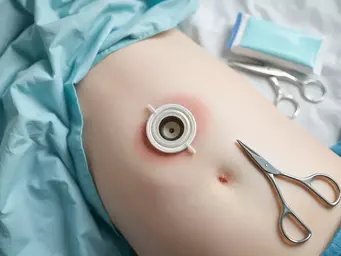
When it comes to recovery after a mastectomy, understanding the role of surgical drains can be both
Mastectomy Preparation: Key Instructions Explained

As you prepare for your mastectomy, understanding what lies ahead can transform uncertainty into con
Embracing Flat: Real Patient Stories

What if the journey after a mastectomy could be navigated with confidence and empowerment? Understan

Caring for Drains and Incisions
Mastectomy Preparation: Key Instructions Explained
Embracing Flat: Real Patient Stories
Patient Support in Mastectomy Recovery
Mastectomy Complications and Care Guide