
Emotional Support: Alleviating Isolation
Connecting with others who understand helps alleviate feelings of vulnerability and isolation during recovery.
1
Key Benefit

In the journey of recovery from a mastectomy, the power of connection cannot be overstated. Research shows that patients with strong support systems experience better emotional and physical outcomes. How can a supportive network transform your healing process?
Understanding the critical role of support networks in the healing journey for mastectomy patients.
Connecting with others who understand helps alleviate feelings of vulnerability and isolation during recovery.
Family and friends can assist with daily tasks, allowing patients to focus on their physical and emotional healing.
Support groups actively offer valuable insights into recovery processes and available resources, enriching patient knowledge.
Connecting with experienced survivors provides personalized guidance and fosters deep, lasting bonds.
Recovering from a mastectomy can be a profound journey, both emotionally and physically. As someone who has witnessed countless patient experiences, I understand that this path is not always easy. Each individual faces unique challenges, from managing pain and physical limitations to navigating the emotional upheaval that can accompany such a significant change. It’s a journey filled with ups and downs, and having a solid support network can make all the difference.
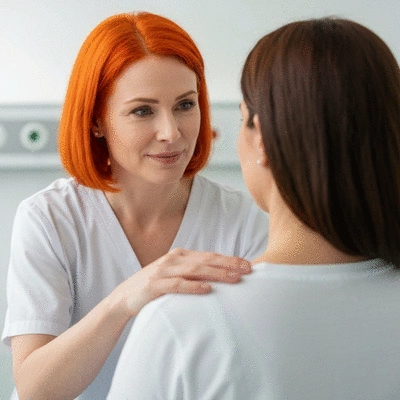
During recovery, patients often grapple with feelings of vulnerability and isolation. The emotional weight of a mastectomy can feel heavy, and understanding what lies ahead can be overwhelming. This is why it’s vital to recognize the importance of support systems—those connections that can provide the essential encouragement, understanding, and love that patients need during this time.
In recovery, patients may experience a range of physical symptoms including swelling, fatigue, and discomfort. Beyond the physical, the emotional rollercoaster can be just as challenging. Here are some common challenges faced by individuals:
Understanding these challenges is the first step towards recovery. By paving the way for open discussions about what to expect, patients can feel more equipped to handle their journey. For insights into what to expect during recovery, you can refer to resources like MyHealth.Alberta.ca, which offers valuable aftercare information. Remember, it’s okay to seek help—many have walked this path before you!
Support networks are crucial in helping individuals transition through recovery. Whether it’s family, friends, or support groups, the emotional, practical, and informational aid they provide plays a significant role in healing. Here’s how these networks can help:
At Mastectomy Insight Hub, I encourage patients to lean on their support system. Engaging with peers who’ve faced similar challenges can provide a sense of community and reassurance. It’s healing to know you’re not alone—countless others are navigating recovery alongside you!
Personal stories reveal the strength and resilience found within patient support networks. These narratives serve as a beacon of hope, illustrating how others have successfully navigated their recovery journeys. For example, many individuals have found solace in sharing their experiences through local support groups.
One survivor shared, “I thought I was alone until I joined a group. Hearing others’ stories made me realize I could overcome this.” Such testimonials highlight the power of community and connection during challenging times.
Peer matching programs have emerged as effective tools for aiding recovery. These programs connect individuals with experienced survivors who can provide guidance and support. Through shared experiences, participants often find that they can foster deep connections. Here’s how these programs typically work:
At Mastectomy Insight Hub, I believe these programs can significantly enhance recovery by promoting shared understanding and camaraderie. The bonds formed can last long after the initial recovery phase, creating a lasting support system.
Did you know? Engaging in open discussions within your support network can significantly enhance your recovery experience. Sharing your feelings, fears, and triumphs not only helps you process your journey but also strengthens the connections with those who understand what you're going through. Don’t hesitate to reach out—your story might inspire someone else!
As I reflect on the journeys of countless patients at Mastectomy Insight Hub, it becomes clear that the role of patient support networks is transformative during recovery. These networks not only provide the emotional uplift that many need but also serve practical functions that can significantly ease the healing process. Support from peers who have walked similar paths fosters a sense of community, making each step of recovery feel less daunting and more achievable.
Recovery from a mastectomy is often laden with a mix of physical and emotional challenges. Many individuals find solace in knowing they are not alone and can lean on others who truly understand their experience. The shared stories and encouragement from these networks can illuminate the way forward, providing hope and strength.

It’s essential for individuals recovering from a mastectomy to actively seek out their support networks. Here’s how you can get started:
By reaching out and engaging with these networks, you can enhance your recovery experience. Remember, it’s okay to lean on others—sharing your thoughts and feelings can provide relief and understanding.
At Mastectomy Insight Hub, we encourage you to remain connected with your support networks and the wider community. Staying informed about ongoing discussions and resources helps foster a strong support system that continues beyond the immediate recovery period. Through follow-up content, community events, and online forums, you can keep the conversation going and ensure that healing is a shared journey.
To aid your journey, here are some valuable resources you may want to explore:
These resources can provide additional insights and help you navigate your recovery with confidence. Engaging with these materials fosters a deeper understanding of your journey while reinforcing your support network.
In today’s digital age, social media and online forums play a crucial role in recovery for many mastectomy patients. Platforms like Instagram and Reddit create spaces where individuals can share their stories, seek advice, and connect with others facing similar challenges. Here’s how you can utilize these platforms:
Using social media to connect with others not only enhances emotional healing but also fosters a sense of belonging in a community that understands your journey. Remember, you are not alone in this—together, we can navigate the path to recovery!
Here is a quick recap of the important points discussed in the article:
Caring for Drains and Incisions
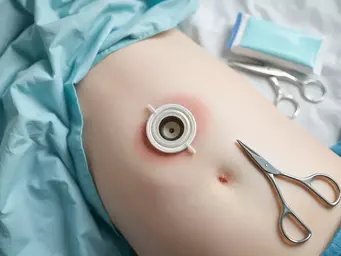
When it comes to recovery after a mastectomy, understanding the role of surgical drains can be both
Mastectomy Preparation: Key Instructions Explained

As you prepare for your mastectomy, understanding what lies ahead can transform uncertainty into con
Embracing Flat: Real Patient Stories

What if the journey after a mastectomy could be navigated with confidence and empowerment? Understan

Caring for Drains and Incisions
Mastectomy Preparation: Key Instructions Explained
Embracing Flat: Real Patient Stories
Patient Support in Mastectomy Recovery
Mastectomy Complications and Care Guide