
Core Purpose of Surgical Drains
Prevent fluid accumulation, reduce risk of seromas/hematomas, monitor healing, and inform healthcare team.
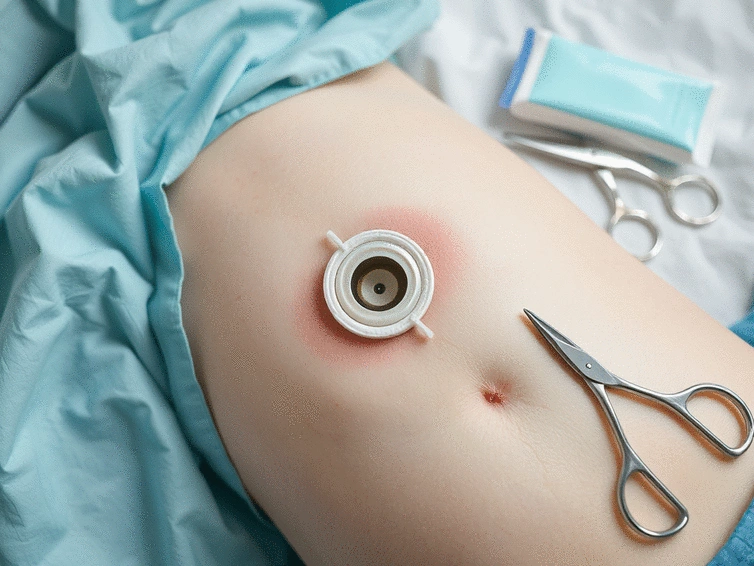
When it comes to recovery after a mastectomy, understanding the role of surgical drains can be both crucial and empowering. These small tubes play a significant part in your healing journey by preventing complications and promoting recovery. As you learn about their management, you're not just gaining knowledge—you're taking a proactive step toward a smoother recovery.
Understanding and implementing proper surgical drain care is crucial for a smooth recovery after mastectomy. The visual below highlights the primary purposes of surgical drains, common procedures requiring them, and the vital role of surgical nurses in patient education.
Prevent fluid accumulation, reduce risk of seromas/hematomas, monitor healing, and inform healthcare team.
After a mastectomy, understanding how to care for surgical drains is essential. These drains help remove excess fluid that can accumulate after surgery, promoting healing and preventing complications. It's normal to have questions about their purpose and management. As I guide you through this process, remember that you are part of a community of individuals navigating similar journeys.

As someone who has dedicated years to breast surgery, I can assure you that having a solid grasp of drain care can make a significant difference in your recovery experience. Let's dive into the basics of what surgical drains are and why they are so important.
Surgical drains are flexible tubes placed in the surgical site to remove fluid that may build up after a mastectomy. The main purpose of these drains is to prevent fluid accumulation, which can lead to complications such as infection or delayed healing. They collect fluid in a bulb or a container, which you will need to empty regularly.
Understanding these aspects of surgical drains can help alleviate some of the anxiety surrounding your recovery. By being proactive in their care, you're taking important steps toward a smoother healing process! For more information on incision care, you can refer to resources like the Cleveland Clinic's guide on incision care.
Several types of breast surgeries may require the use of surgical drains. Here are a few common procedures where drains are often necessary:
It's crucial to follow your surgeon's recommendations regarding drain placement after your specific procedure. Each type of surgery has its own considerations, and understanding these can empower you during your recovery! You can find additional patient instructions on managing surgical drains through resources like MedlinePlus.
Surgical nurses play a vital role in the management of surgical drains. They are not only responsible for placing the drains but also for educating you about how to care for them. This includes teaching you proper techniques for emptying, measuring output, and recognizing any signs of complications.
When you connect with your surgical team, you're enhancing your knowledge and confidence about your recovery. Remember, don’t hesitate to ask questions to your surgical nurse—they are there to support you every step of the way!
As you settle into your recovery routine, daily care of your surgical drains and incisions becomes crucial. Understanding the best practices will help ensure a smoother healing process and peace of mind. Let’s explore what you can do each day to care for yourself effectively!
What has been your biggest challenge in managing surgical drains during your recovery? Share your thoughts below:
As we wrap up our discussion on surgical drain care, it's essential to remember a few key points that can significantly impact your recovery after mastectomy. Understanding how to manage your surgical drains effectively can lead to a smoother healing process. Here’s a recap of the most important techniques to keep in mind:
By following these essential drain management techniques, you can take charge of your healing journey. Remember, being proactive about your care is key to a successful recovery!
Recovery from surgery is a personal journey, and it’s vital to stay attuned to your body’s signals. If you notice anything unusual, such as increased pain, swelling, or changes in drainage, don’t hesitate to reach out to your healthcare provider for advice. You’re not alone in this; I’m here to support you through your recovery at Mastectomy Insight Hub.

Whether it’s a question about your drains or a concern about your incision, seeking help is a strong step towards healing. Remember, communication with your healthcare team is crucial, and they are there to help you navigate any uncertainties.
At Mastectomy Insight Hub, we believe that knowledge is power! Staying informed about your recovery process can empower you to manage your health effectively. Here are some valuable resources you can explore:
Make sure to utilize these resources to stay informed and connected. Empowering yourself with knowledge can significantly enhance your healing experience!
Sometimes, the emotional journey of recovery can feel just as challenging as the physical one. Connecting with others who have walked a similar path can provide comfort and encouragement. Consider joining a support group where you can share experiences and learn from others. Here’s why it’s beneficial:
At Mastectomy Insight Hub, we often highlight local and online support groups that offer emotional aid during recovery. Remember, it’s okay to seek support—it's a sign of strength!
As you navigate your recovery journey, I encourage you to share your experiences and insights with others. Whether through forums, social media, or community gatherings, your story can inspire and guide someone else facing similar challenges. Additionally, don’t hesitate to seek guidance from healthcare professionals whenever uncertainties arise. Your health and well-being are paramount!
Let’s continue this conversation together! How have you managed your recovery so far? Feel free to reach out to us at Mastectomy Insight Hub, where we’re dedicated to supporting you every step of the way.
Here is a quick recap of the important points discussed in the article:
Caring for Drains and Incisions
When it comes to recovery after a mastectomy, understanding the role of surgical drains can be both
Mastectomy Preparation: Key Instructions Explained

As you prepare for your mastectomy, understanding what lies ahead can transform uncertainty into con
Embracing Flat: Real Patient Stories

What if the journey after a mastectomy could be navigated with confidence and empowerment? Understan

Caring for Drains and Incisions
Mastectomy Preparation: Key Instructions Explained
Embracing Flat: Real Patient Stories
Patient Support in Mastectomy Recovery
Mastectomy Complications and Care Guide