
Total Mastectomy
Entire breast tissue removal.
Partial Mastectomy
Removes tumor & some surrounding tissue.

As you embark on the journey of understanding mastectomy, it’s essential to be informed about the various procedures and their implications. Are you ready to take control of your health decisions? Let’s dive into the crucial insights that will empower you during this process.
This visual provides an overview of different mastectomy types, categorizing them by the extent of tissue removal and patient needs.
Entire breast tissue removal.
Removes tumor & some surrounding tissue.
Preserves skin for reconstruction.
Keeps nipple & areola intact.
Removes tissue, lymph nodes, chest muscles.
Mastectomy can be a daunting concept, especially for those navigating breast cancer treatment. Let me help you break it down! Understanding the different types of mastectomy procedures is crucial for patients and their families. It empowers you to make informed choices about your health journey.
When we talk about mastectomy, it essentially refers to the surgical removal of one or both breasts. This procedure varies based on individual circumstances, and knowing the distinctions can ease your worries. Here’s a quick overview of the types:
Each of these options serves specific patient needs. As a surgeon, I always emphasize discussing these choices with your healthcare team to find what suits you best!

Let’s delve deeper into the various procedures. Each type of mastectomy has its unique approach and recovery process. For instance, the nipple-sparing mastectomy allows for a more natural appearance post-surgery, as it preserves the nipple while removing surrounding breast tissue. This can be a significant factor for many women considering reconstruction.
On the other hand, a radical mastectomy is often recommended for more aggressive cancers, involving the complete removal of breast tissue along with lymph nodes. It's essential to understand the rationale behind each procedure to navigate your treatment confidently.
There are several reasons why a mastectomy may be recommended. Understanding these medical indications can help clarify the decision-making process. Typically, mastectomy is suggested in cases of:
It's a personal journey, and each case is unique. Consulting with your oncologist and surgeon can help you weigh your options carefully.
Collaboration between oncologists and surgeons is vital when making surgical decisions. Together, they assess the patient's overall health, cancer stage, and personal preferences. This teamwork is essential in forming a comprehensive treatment plan that supports your needs. The latest breast cancer standards emphasize individualized patient care, underlining the importance of this collaborative approach. Furthermore, the American College of Surgeons also highlights the significance of personalized treatment plans.
At Mastectomy Insight Hub, I often encourage patients to ask questions. Engaging in open conversations with your medical team can lead to clearer understanding and comfort with your care path. Remember, you are not alone in this journey!
A mastectomy is a surgical procedure involving the removal of one or both breasts, typically performed to treat or prevent breast cancer.
The main types include Total Mastectomy (entire breast tissue removal), Partial Mastectomy (tumor and some surrounding tissue removal), Skin-Sparing Mastectomy (preserves skin for reconstruction), Nipple-Sparing Mastectomy (keeps nipple and areola intact), and Radical Mastectomy (removes breast tissue, lymph nodes, and chest muscles).
Mastectomy is often recommended for invasive breast cancer, multiple tumors within one breast, a high risk of cancer developing in the other breast, or when a tumor is too large for a lumpectomy.
Oncologists and surgeons collaborate to assess the patient's health, cancer stage, and preferences to create a comprehensive, individualized treatment plan.
Long-term effects require ongoing care with regular follow-ups to monitor recovery, address complications like lymphedema or infection, and provide emotional support.
Patients should watch for signs like sudden swelling, increasing pain, changes in incision appearance, or unexplained fever, and contact their healthcare provider promptly if these symptoms occur.
What do you think about the different types of mastectomy procedures? Have you or someone you know navigated a similar journey? Share your thoughts and experiences below:
Once the initial recovery phase after a mastectomy is complete, it's crucial to shift focus towards long-term effects and ongoing care. This period is as important as the surgery itself, as it involves monitoring your health and adjusting to changes in your body. Regular follow-ups with your healthcare team are essential to ensure any complications are addressed timely and effectively.
During these follow-ups, your healthcare provider will evaluate your recovery progress and discuss any concerns you might have. This proactive approach not only enhances your physical well-being but also plays a critical role in your emotional health.

Following a mastectomy, regular follow-ups are vital for monitoring your recovery and addressing any potential issues. Here are some key reasons why these appointments are important:
These appointments provide a platform for you to ask questions and express any concerns. Remember, it's completely normal to seek reassurance about your health as you navigate this journey.
Understanding the signs of potential complications can make a significant difference in your recovery experience. Early recognition is key! Here are some common complications to watch for:
If you notice any of these symptoms, don't hesitate to reach out to your healthcare provider. Prompt action can lead to better management and outcomes.
At Mastectomy Insight Hub, we believe that patient education is a cornerstone of effective recovery. Empowering yourself with knowledge about your health will help you navigate your post-operative journey. Consider these vital aspects:
Staying engaged and informed will not only enhance your confidence in managing your health but also reinforce your connection to the support community around you. Remember, you are not alone on this journey!
Here is a quick recap of the important points discussed in the article:
Caring for Drains and Incisions
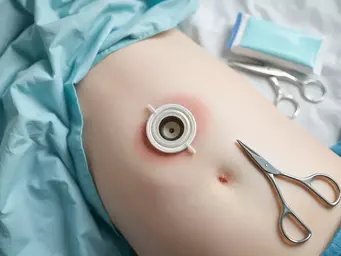
When it comes to recovery after a mastectomy, understanding the role of surgical drains can be both
Mastectomy Preparation: Key Instructions Explained

As you prepare for your mastectomy, understanding what lies ahead can transform uncertainty into con
Embracing Flat: Real Patient Stories

What if the journey after a mastectomy could be navigated with confidence and empowerment? Understan

Caring for Drains and Incisions
Mastectomy Preparation: Key Instructions Explained
Embracing Flat: Real Patient Stories
Patient Support in Mastectomy Recovery
Mastectomy Complications and Care Guide