
Emotional & Family Support
Family and friends provide crucial emotional reassurance, accompany you to appointments, and offer practical help like chores and meal prep.
- ✔ Listening without judgment
- ✔ Household assistance
- ✔ Appointment accompaniment

As you embark on the deeply personal journey of a mastectomy, understanding the essential role of support systems can empower you to face the challenges ahead with courage. The healing process encompasses not only physical recovery but also emotional resilience, making a robust support network invaluable.
Understanding the vital roles different support systems play, from emotional allies to practical helpers and professional care, can significantly empower your recovery journey.
Undergoing a mastectomy can be a transformative experience, one that often brings a whirlwind of emotions and physical challenges. At Mastectomy Insight Hub, we recognize that having a solid support system is crucial during this time. Whether you're facing the surgery yourself or supporting someone who is, understanding the role of emotional and physical support can significantly impact the journey ahead.
Many individuals report feelings of fear, uncertainty, and isolation when navigating their mastectomy journey. This is completely normal! Addressing these common concerns and feelings is vital for both patients and their loved ones. Engaging in open conversations about what to expect can create a sense of shared understanding and compassion.
The emotional and physical impact of a mastectomy can vary greatly from person to person. Some may feel relief from the decision, while others wrestle with feelings of loss or anxiety about recovery. It's important to acknowledge these feelings rather than suppress them. Have you considered your emotional needs during this time? Sharing your feelings with family and friends can ease the burden.
These common concerns can be overwhelming, but addressing them head-on can make a significant difference. Remember, you are not alone; others share your feelings and can support you through this journey.

Your family and friends can play a pivotal role in your healing process. They can help lift your spirits and provide a much-needed sense of normalcy. By sharing your feelings and fears, you can guide your loved ones on how best to support you. Have you thought about having a heart-to-heart with someone close?
These small gestures can mean the world, helping you feel connected and supported as you navigate your mastectomy journey.
In addition to emotional support, practical help from family members is essential for a smoother recovery. You might consider discussing with loved ones how they can assist you during this time. What tasks do you anticipate needing help with?
Having a structured support plan can alleviate stress, allowing you to focus on your recovery without feeling overwhelmed by everyday tasks.
Family caregivers often become the backbone of the recovery process. Their role extends beyond just physical assistance; they also provide emotional grounding. Have you considered who might take on this caregiving role in your life? It can be beneficial to openly discuss expectations and establish a caregiving schedule.
Having a dedicated caregiver can enhance your recovery experience, providing you with a reliable source of comfort and care. Remember, it’s okay to lean on your loved ones—they want to help you heal!
As you prepare for your mastectomy, arranging help and care is a crucial step. Creating a support network that includes various types of assistance—both emotional and practical—can make a world of difference in your recovery.
By taking the time to establish your support system now, you’re setting the stage for a more empowered and confident recovery journey.
Building a robust support network involves identifying key roles that different individuals can play. Think about who in your life can fulfill these roles effectively. Here are some roles to consider:
Understanding these roles can help streamline your recovery process and ensure you have the right support at every stage.
While friends and family provide invaluable support, don’t overlook the benefits of professional help. Home health aides and healthcare providers can offer expert care tailored to your recovery needs. Consider these options:
Professional support can enhance your recovery experience, providing you with the expertise and care you need during this time.
Rehabilitation services should also be a part of your overall care plan. These can include physical therapy and counseling services that target both emotional and physical healing. Have you thought about how these services could benefit you?
Incorporating these services into your care plan can help you feel empowered and informed as you navigate your post-mastectomy recovery.
As you prepare for your mastectomy, consider creating a "support wishlist." Write down specific ways your loved ones can assist you, both emotionally and practically. This could include attending appointments, helping with household chores, or simply being there to listen. Sharing this wishlist with your support network can enhance communication and ensure that you receive the help that best meets your needs during your recovery journey.
As you navigate your mastectomy journey, it’s crucial to understand the profound impact that support systems can have. Reflecting on our experiences, we often find that they shape how we move forward. Remember, your journey is unique, and having a network of support tailored to your needs can make all the difference in your recovery.
Every person's path through this process is different; the emotions, challenges, and triumphs vary widely. It's important to acknowledge that your story is yours alone, and it deserves to be told. Whether you find strength in family, friends, or support groups, embracing these relationships will help you cultivate resilience and hope.
In my practice, I often see how essential support systems are during recovery. They provide not just emotional aid but practical assistance, too. Think about it: who has been your biggest champion? Perhaps it's a close friend, a family member, or even a fellow patient who understands your journey. These connections can provide invaluable insights and encouragement as you heal.

Each experience with mastectomy is shaped by different factors—personal histories, medical conditions, and emotional resilience. It's vital to appreciate these differences and respect that what works for one person may not work for another. In sharing stories, we help to normalize the variations in recovery, illustrating that it's perfectly okay to feel lost or overwhelmed at times.
Understanding that emotional responses can differ helps to foster an environment where everyone feels safe to share. So, as you reflect on your support system, consider how you can also contribute to the journeys of those around you.
Stories can be incredibly powerful, especially when they come from those who have faced similar challenges. By encouraging others to share their experiences, we foster a sense of community that can uplift and inspire. Personal narratives provide a glimpse into the strength and resilience found in the most trying times.
Hearing from others who have walked this path can provide immense comfort. The stories of survival, the struggles faced, and the victories won serve as reminders that we are not alone. I often share testimonials from patients at the Mastectomy Insight Hub to highlight the diverse experiences that can inspire hope and resilience.
Each shared experience has the potential to connect hearts and foster understanding, allowing us to lean on one another for support.
Breast cancer organizations play a crucial role in providing resources and support. Joining these groups can offer you a safe haven where stories are shared, questions are answered, and connections are made. Many of these organizations host events designed to build community and facilitate discussion around experiences.
Whether you're looking for educational resources or just a friendly ear, organizations dedicated to breast cancer awareness can be invaluable. Don't hesitate to reach out; you’ll find that many have programs specifically designed to support patients and their families through this journey.
As you move forward, taking action is key. Creating a personal action plan not only helps you feel organized but also empowers you in your recovery journey. Let’s explore how you can set up your support network effectively.
Developing a structured plan can guide you through the recovery phase with clarity and purpose. Start by identifying the support you need and outline the steps to secure it. Here’s a simple guide to get you going:
By breaking this process down into manageable steps, you’ll find it easier to create a solid support system that enhances your recovery experience.
Participating in educational workshops can also be a great step forward. These sessions often provide crucial information on navigating your healthcare options and understanding your rights as a patient. Workshops not only impart knowledge but also connect you with others who are on similar journeys.
Finally, don’t forget to leverage available resources. There’s a wealth of information out there that can guide you through your recovery process and help you build a supportive network.
At Mastectomy Insight Hub, we offer a variety of guides that can assist you in finding the resources you need. For more comprehensive information and support during your mastectomy journey, explore resources from reputable organizations. The National Breast Cancer Foundation provides valuable programs and services, while the American Cancer Society offers extensive information on treatment and survivorship. Additionally, the CDC's breast cancer survivorship resources offer guidance on maintaining your well-being after treatment. These organizations provide valuable information and support services tailored to those affected by breast cancer.
Don't overlook local community resources. Many hospitals and clinics offer support groups, counseling services, and workshops to help patients and families cope with the challenges of recovery. Engaging with your community can offer a sense of belonging and reassurance as you move forward.
Ultimately, embracing your journey with a supportive network not only aids in recovery but also enriches your life. Remember, you don’t have to navigate this path alone—reach out, connect, and thrive!
Here is a quick recap of the important points discussed in the article:
Caring for Drains and Incisions
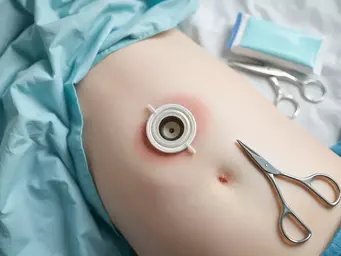
When it comes to recovery after a mastectomy, understanding the role of surgical drains can be both
Mastectomy Preparation: Key Instructions Explained

As you prepare for your mastectomy, understanding what lies ahead can transform uncertainty into con
Embracing Flat: Real Patient Stories

What if the journey after a mastectomy could be navigated with confidence and empowerment? Understan

Caring for Drains and Incisions
Mastectomy Preparation: Key Instructions Explained
Embracing Flat: Real Patient Stories
Patient Support in Mastectomy Recovery
Mastectomy Complications and Care Guide