
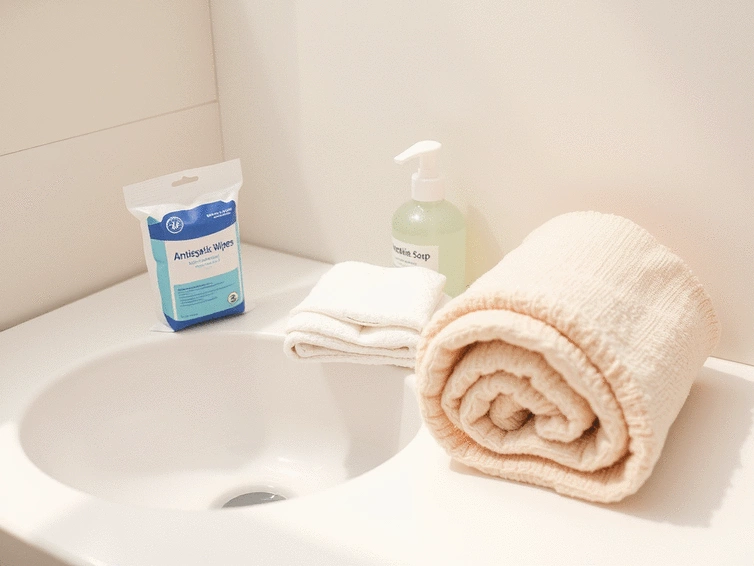
Mastectomy: Pre-Surgery Hygiene Tips
What if taking simple steps before surgery could dramatically reduce your risk of complications? Understanding preoperative hygiene is essential for anyone preparing for a mastectomy.
What You Will Learn
- Preoperative hygiene significantly reduces the risk of Surgical Site Infections (SSI), promoting a smoother recovery.
- Engaging in proper skin care before surgery minimizes harmful bacteria and supports healing.
- Understanding and utilizing antimicrobial agents like chlorhexidine can effectively lower infection rates.
- Following specific pre-surgery protocols, such as removing jewelry and avoiding lotions, is crucial to enhance surgical safety.
Pre-Surgery Hygiene - Key Goals & Antimicrobial Agents
This visual summarizes the crucial goals of pre-surgery skin care and highlights the primary antimicrobial agents used to minimize infection risks for mastectomy patients.
Goals of Pre-Surgery Skin Care
- ✓ Reduce Microbial Load
- ✓ Prepare the Skin
- ✓ Foster a Positive Environment
Antimicrobial Agents
- ● Chlorhexidine
- ● Betadine
- ● Alcohol-Based Antiseptics
Understanding Pre-Surgery Hygiene for Mastectomy
As a surgeon deeply invested in the well-being of my patients, I can't stress enough the importance of preoperative hygiene. Before undergoing a mastectomy, maintaining proper hygiene is crucial in reducing the risk of infections during surgery. Studies show that following hygiene protocols can decrease infection rates significantly, thus paving the way for a smoother recovery.
Infections can lead to prolonged hospital stays and complications, making it essential for patients to understand and adhere to hygiene guidelines. By taking these steps, you are not only protecting yourself but also enhancing your surgical experience. Remember, a clean slate before surgery can be a game changer!
Why Preoperative Hygiene Matters
Maintaining preoperative hygiene is about more than just cleanliness; it’s about ensuring your safety. When you prepare for surgery, the goal is to minimize any potential risks, particularly those associated with infections. Research indicates that up to 50% of surgical site infections can be traced back to bacteria present on the skin prior to surgery.
- Protects against Surgical Site Infections (SSI): By following preoperative hygiene guidelines, you significantly reduce the likelihood of developing an SSI.
- Enhances Recovery: A clean environment helps your body focus on healing, improving overall recovery time.
- Boosts Confidence: Knowing that you’ve taken steps to minimize risks can help ease pre-surgery anxiety.
In my experience at the Mastectomy Insight Hub, I’ve seen firsthand how patients who prioritize hygiene can experience fewer complications, leading to a more positive healing journey.
Goals of Pre-Surgery Skin Care
The objectives of pre-surgery hygiene practices are straightforward yet vital. Primarily, these practices aim to enhance patient safety by lowering infection risks. Consider these key goals:
- Reduce Microbial Load: Ensuring your skin is free from harmful bacteria before surgery is paramount.
- Prepare the Skin: Healthy skin is less likely to develop infections and supports better healing. For example, the Memorial Sloan Kettering Cancer Center provides comprehensive guidelines for preparing your skin before a mastectomy.
- Foster a Positive Environment: Cleanliness can promote a sense of well-being and readiness for the surgical experience.
When you take these proactive steps, you are not just following a routine—you are actively participating in your health care journey. This involvement is what we value at Mastectomy Insight Hub, as it empowers patients to make informed choices.
Understanding the Role of Antimicrobial Agents in Pre-Operative Hygiene
Antimicrobial agents play a critical role in preoperative hygiene. Common agents like chlorhexidine and betadine are often recommended for their effectiveness in reducing bacteria on the skin. Chlorhexidine, in particular, has been shown to decrease the incidence of infections significantly when used correctly.
- Chlorhexidine: Effective against a wide range of bacteria, it’s commonly used in surgical settings.
- Betadine: This antiseptic is also widely utilized, especially for its broad-spectrum antimicrobial activity.
- Guidelines for Use: Follow your physician's instructions regarding which agent to use and how to apply it effectively. You can find detailed preoperative bathing instructions, including guidelines for chlorhexidine use, from Massachusetts General Hospital.
Understanding the importance of these agents and adhering to their proper usage can make a significant difference in your surgical outcome. Remember, informed patients are empowered patients, and that’s the mindset we encourage at Mastectomy Insight Hub!
Essential Pre-Operative Bathing Protocols
Step-by-Step Instructions for Chlorhexidine Use
To maximize the benefits of chlorhexidine gluconate (Hibiclens), it’s essential to follow proper bathing protocols. Here’s a step-by-step guide to ensure you’re getting the most out of this important pre-surgery hygiene practice:
- Shower the night before your surgery using warm water.
- Apply a quarter-sized amount of chlorhexidine to a clean washcloth.
- Focus on areas where the surgery will be performed and avoid areas like the face and genital regions.
- Rinse thoroughly and do not apply any lotions, deodorants, or perfumes afterward.
- Allow your skin to dry completely before bed.
By following these steps, you can feel confident that you’re doing your best to prepare for surgery. It’s a small but impactful act that aligns with our mission at Mastectomy Insight Hub—to empower you with knowledge for a successful healthcare journey.
Preparation Restrictions and Best Practices
In addition to proper cleansing, there are specific restrictions and best practices to follow before your surgery. These guidelines help ensure that your body is ready for the procedure:
- Remove Nail Polish and Jewelry: These can harbor bacteria and interfere with monitoring during surgery.
- Avoid Deodorants and Lotions: These products can leave a residue that may increase infection risks.
- Follow Fasting Rules: Adhere to your physician's instructions regarding food and drink prior to surgery.
Being mindful of these restrictions not only prepares your body but also alleviates some of the stress of surgery. The more prepared you are, the smoother your journey through this experience will be!
Incorporating Alcohol-Based Antiseptics in Pre-Operative Care
Alcohol-based antiseptics serve as a complementary measure to enhance surgical hygiene. Utilizing these products correctly before your surgery can further decrease the risk of infections. Here are some key points to keep in mind:
- Application Before Surgery: Use an alcohol-based antiseptic on the skin before applying any surgical drapes.
- Focus on High-Risk Areas: Ensure these agents are applied to areas around the surgical site for maximum effectiveness.
- Consult Your Surgeon: Always check with your healthcare provider about any specific recommendations for your surgery.
Incorporating these antiseptics is another way you can actively engage in your healthcare. At Mastectomy Insight Hub, we believe that informed choices lead to better outcomes.
Frequently Asked Questions About Preoperative Hygiene for Mastectomy
- Q: Why is preoperative hygiene so important for mastectomy patients?
- A: Preoperative hygiene is crucial because it significantly reduces the risk of Surgical Site Infections (SSI), which can lead to complications and prolonged recovery times. By minimizing bacteria on the skin, patients contribute to a smoother surgical experience and better healing outcomes.
- Q: What are the main goals of pre-surgery skin care?
- A: The primary goals are to reduce the microbial load on the skin, prepare the skin for surgery to prevent infections, and foster a positive environment for healing. These steps collectively enhance patient safety and recovery.
- Q: Which antimicrobial agents are commonly used before mastectomy, and how do they help?
- A: Common antimicrobial agents include chlorhexidine and betadine. These agents are effective in reducing a wide range of bacteria on the skin, thereby lowering the risk of infection. Your physician will provide specific instructions on which agent to use and how to apply it.
- Q: What are the step-by-step instructions for using chlorhexidine before surgery?
- A: Patients should shower the night before surgery with warm water, apply a small amount of chlorhexidine to a clean washcloth, focus on the surgical area while avoiding sensitive regions like the face and genitals, rinse thoroughly, and allow the skin to air dry completely without applying lotions or deodorants.
- Q: Are there any specific restrictions or best practices I should follow before surgery?
- A: Yes, it's important to remove nail polish and jewelry, as they can harbor bacteria and interfere with monitoring. You should also avoid deodorants and lotions, which can leave residues, and strictly adhere to any fasting rules provided by your physician.
- Q: How can I proactively engage with my healthcare team regarding hygiene?
- A: You can engage by scheduling pre-surgery consultations to clarify hygiene protocols, expressing any concerns about skin sensitivities or allergies, and requesting educational materials. Open communication helps ensure personalized advice and better outcomes.
We Want to Hear From You!
How confident do you feel about your pre-surgery hygiene knowledge? Share your thoughts below:
Summarizing Key Takeaways for Pre-Surgery Hygiene
As we wrap up our discussion on pre-surgery hygiene, it's crucial to reiterate the significance of following established guidelines. Keeping a clean and hygienic environment can substantially minimize infection risks associated with mastectomy surgeries. Engaging in proper hygiene not only prepares the body physically but also empowers you as a patient to take an active role in your healthcare journey.
Understanding the importance of hygiene can transform your surgical experience. It fosters a sense of control and confidence as you navigate through each step. Remember, taking these precautions is not just about the day of surgery; it's about ensuring a smoother recovery process and enhancing your overall well-being.
- Consistent Hygiene Practices: Regularly wash the surgical site and surrounding areas.
- Follow Preoperative Instructions: Adhere to specific guidelines given by your healthcare team. For example, Kaiser Permanente offers detailed instructions on preparing for a mastectomy.
- Communicate Any Concerns: Reach out to your medical team if you have questions regarding hygiene practices.
Every small step contributes to a more positive surgical outcome, and I encourage you to embrace this responsibility fully. You’re not alone in this journey; I’m here to support you through it at Mastectomy Insight Hub!
Encouraging Proactive Engagement with Healthcare Professionals
Proactive engagement with your healthcare providers is essential, especially when discussing pre-surgery hygiene. I always recommend that my patients seek personalized advice tailored to their specific circumstances. Each person's situation is unique, and my goal is to ensure you feel fully informed and prepared.
Don’t hesitate to ask questions—whether it’s about the best products to use or how to manage skin sensitivities. Open communication can lead to better outcomes and enhanced comfort during your surgical experience. Here are a few ways you can engage effectively:
- Schedule Pre-Surgery Consultations: Use these appointments to clarify hygiene protocols.
- Express Concerns: Share any worries you have about skin care or allergies.
- Request Educational Materials: Ask for resources that can help you understand the process better.
Empowering yourself through knowledge and dialogue with your healthcare team can significantly impact your surgical journey. At Mastectomy Insight Hub, we believe that informed patients are more equipped to make decisions that align with their health needs.
Evaluating Risk Factors and Patient Compliance in Surgical Preparations
Patient compliance with pre-operative guidelines is critical in evaluating potential risk factors that may affect surgical outcomes. Understanding these elements can help set the stage for a successful procedure and recovery. Consider factors such as existing health conditions, medication usage, and personal hygiene practices.
We often see that patients who adhere strictly to hygiene protocols experience fewer complications. Here are some common risk factors to evaluate:
- Chronic Conditions: Conditions like diabetes can hinder healing and increase infection risks.
- Smoking: Tobacco use can slow recovery and compromise the immune system.
- Medications: Some medications may interfere with healing or increase bleeding risks.
Recognizing these factors allows for tailored approaches to enhance your surgical experience. Compliance with pre-operative guidelines is not just a recommendation; it’s a vital component of your health journey. At Mastectomy Insight Hub, I strive to guide you through these considerations, ensuring you feel supported and informed every step of the way.
Recap of Key Points
Here is a quick recap of the important points discussed in the article:
- Importance of Preoperative Hygiene: Proper hygiene significantly reduces the risk of surgical site infections (SSI) and enhances recovery.
- Goals of Pre-Surgery Skin Care: Focus on reducing microbial load, preparing the skin, and fostering a positive environment for surgery.
- Use of Antimicrobial Agents: Chlorhexidine and betadine are effective in reducing bacteria; follow physician guidelines for use.
- Essential Bathing Protocols: Follow step-by-step instructions for using chlorhexidine to maximize hygiene benefits before surgery.
- Preparation Restrictions: Remove nail polish and jewelry, and avoid lotions and deodorants to minimize infection risks.
- Engagement with Healthcare Providers: Communicate openly with your medical team about hygiene practices and any concerns you may have.
- Recognizing Risk Factors: Be aware of chronic conditions, smoking, and medications that can affect surgical outcomes.



Caring for Drains and Incisions
Mastectomy Preparation: Key Instructions Explained
Embracing Flat: Real Patient Stories
Patient Support in Mastectomy Recovery
Mastectomy Complications and Care Guide