
Emotional Challenges Timeline
Phases of emotional adjustment post-mastectomy.

What if every step towards emotional recovery after a mastectomy could be a little less daunting? Understanding the emotional landscape can pave the way for healing and connection. Dive into the insights that can empower and support you on this journey.
Understanding that emotional recovery isn’t linear is essential. Different stages post-mastectomy can bring about varying emotional challenges.
Phases of emotional adjustment post-mastectomy.
Initial period of processing surgery and implications. High anxiety and sadness.
Beginning to adapt, but feelings of sadness or anxiety can still surface.
Many find a sense of normalcy, but ongoing emotional support is beneficial.
Undergoing a mastectomy can stir up a whirlwind of emotions. It's completely normal for breast cancer survivors to feel a mix of anxiety, sadness, and even confusion during this time. In my experience as a surgeon and through the stories I’ve heard at Mastectomy Insight Hub, I've seen how profound these emotional responses can be. Understanding that you’re not alone can help pave the way through this challenging journey.
Many survivors face issues like body image struggles and depression, which can linger long after surgery. It’s crucial to recognize these feelings as part of the healing process, opening the door to healing and support.
The emotional landscape post-mastectomy can be complex. Survivors often experience:
Recognizing these common emotional responses is the first step toward addressing them. Remember, it's okay to seek help and talk about what you're feeling.
Understanding that emotional recovery isn’t linear is essential. Different stages post-mastectomy can bring about varying emotional challenges:
Tracking your emotional progress through these stages can help you gauge your healing. Celebrate small victories as you move through each phase.
Body image plays a significant role in emotional recovery after a mastectomy. Changes to your body can understandably cause distress and affect self-esteem. It's important to actively engage in strategies that promote body acceptance:
By embracing your body and its journey, you can foster a healthier emotional landscape. Remember, every step towards acceptance is a step in the right direction.
As you reflect on your emotional journey after mastectomy, we’d love to know: What has been the most challenging aspect for you? Share your thoughts below:
As we explore the emotional recovery journey after mastectomy, it's crucial to remember that healing is not just about the body—it's also about nurturing the mind and spirit. The strategies we've discussed can lay a strong foundation for your emotional and psychological recovery. By integrating professional support, self-help techniques, and community resources, you can navigate this path with confidence and resilience.
Start by recognizing the importance of your emotional well-being. It's perfectly normal to experience a range of feelings, and embracing your emotions is a vital part of the healing process. Consider the following key strategies:
Taking that first step toward emotional recovery can feel daunting, but I encourage you to be gentle with yourself. Whether you seek professional help or embark on self-care practices, remember that every small action counts! Start by reaching out to a therapist who specializes in oncology or set aside time each day for mindfulness exercises. What will your first step be?
Consider making a list of self-care activities that resonate with you, such as:
Finding the right resources can significantly enhance your recovery journey. I believe that connecting with others who have shared similar experiences fosters a sense of belonging and understanding. Here are some valuable resources you might explore:
These organizations offer a wealth of information and support, guiding you through your emotional landscape and connecting you with others who truly understand.
Lastly, sharing your personal story can be a powerful tool for healing—not just for you, but for others, too! By opening up about your journey, you create opportunities for connection and support within the community. Consider writing about your experiences or participating in local events where stories are shared. How has your journey inspired you to help others?
Your narrative can be a beacon of hope, encouraging others to seek the support they need. Remember, every story matters and has the potential to uplift someone else who may be feeling lost on their journey.
Here is a quick recap of the important points discussed in the article:
Caring for Drains and Incisions
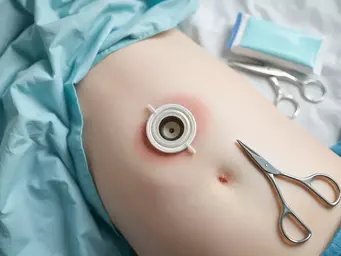
When it comes to recovery after a mastectomy, understanding the role of surgical drains can be both
Mastectomy Preparation: Key Instructions Explained

As you prepare for your mastectomy, understanding what lies ahead can transform uncertainty into con
Embracing Flat: Real Patient Stories

What if the journey after a mastectomy could be navigated with confidence and empowerment? Understan

Caring for Drains and Incisions
Mastectomy Preparation: Key Instructions Explained
Embracing Flat: Real Patient Stories
Patient Support in Mastectomy Recovery
Mastectomy Complications and Care Guide