
Overall Recovery Span
Several Weeks
Influenced by health, surgery type, and healing.

As you navigate the complexities of recovery after a mastectomy, understanding what lies ahead can significantly ease your journey. Recovery is not just about physical healing; it encompasses emotional well-being as well. Are you ready to empower yourself with knowledge and insights?
Understanding the typical progression of mastectomy recovery can help set realistic expectations and empower patients on their healing journey.
Several Weeks
Influenced by health, surgery type, and healing.
When it comes to mastectomy recovery, understanding the journey ahead can make all the difference. The primary purpose of a mastectomy is to remove breast tissue to treat or prevent breast cancer. There are various types of surgeries, including total mastectomy, partial mastectomy, and nipple-sparing mastectomy, each tailored to individual needs. The emotional context surrounding this procedure is equally important; it often includes feelings of fear, uncertainty, and hope. I want you to know that you're not alone in this journey. Many have walked this path before you, and there are resources available to help you navigate the complexities of your recovery.
As you embark on this journey, it’s essential to recognize that recovery is not just a physical process; it’s emotional as well. You might feel a mix of relief and anxiety as you take the next steps. This is a time for healing—both your body and mind. By understanding the recovery timeline, you can prepare yourself for what lies ahead and embrace the support around you.
To truly appreciate the recovery process, let’s delve into the significance of mastectomy itself. It’s not merely a surgical procedure; it’s a vital step towards reclaiming your health. Here’s what you should know:
These factors play a crucial role in shaping your recovery journey. Remember, every individual's journey is unique, and it’s important to honor your personal experience throughout this process. As you prepare for recovery, consider reaching out to others who have undergone similar surgeries; their insights can offer invaluable comfort and guidance, as highlighted by resources from Facing Our Risk of Cancer Empowered (FORCE).
Recovery after a mastectomy typically spans several weeks and can be influenced by various factors, including your overall health, the type of mastectomy performed, and your body's unique healing capabilities. While each person’s timeline will differ, here’s a general overview:
As you navigate through recovery, it’s important to listen to your body and reach out for help when needed. Don’t hesitate to express any concerns to your healthcare provider; they’re there to support you every step of the way. Remember, recovery is a journey, and taking each day as it comes can foster a sense of empowerment and resilience in you as a patient.
The first week following your mastectomy is often spent in the hospital. During this time, your medical team will manage your pain and monitor for any complications. Common pain management options include medications such as opioids and nonsteroidal anti-inflammatory drugs (NSAIDs), which help ease discomfort. You may also receive guidance on physical movement to encourage blood circulation and healing.
It’s normal to feel a range of emotions during this period. You might find comfort in journaling or talking with a friend who understands what you’re going through. Healing starts both physically and emotionally in these early days, so be kind to yourself as you begin this new chapter.
Once you return home, the focus shifts from hospital care to self-care. This week is crucial for establishing a recovery routine. Here are some important aspects to consider:
Remember that this is a time to be gentle with yourself. You’ll likely experience fatigue, and that's completely normal! Taking things one day at a time and celebrating small victories can help you stay positive.
As you enter weeks three and four, you may start to feel a bit more like yourself. This is when many individuals begin to incorporate light activities back into their routines. Simple tasks like walking can help boost your energy levels and promote healing.
During this time, it’s vital to focus on arm exercises to regain mobility and strength. Here are some gentle exercises to consider:
Always consult with your healthcare provider or a physical therapist before starting any exercise regimen. They can provide tailored advice based on your individual recovery needs.
In weeks five and six, many patients reach significant emotional and physical milestones. You may begin to notice improvements in your physical comfort and emotional resilience. It’s crucial to address ongoing pain management—don’t hesitate to discuss any discomfort with your healthcare team.
During this phase, consider exploring activities that bring you joy. Whether it's engaging in hobbies or spending time with friends, nurturing your spirit can be just as vital as caring for your body. Remember, everyone’s healing journey is unique, and it's okay to take the time you need to feel whole again!
The final weeks of this initial recovery phase are about preparing for your long-term journey. You might start thinking about your next steps, including follow-up appointments or discussions about reconstruction options if that's relevant for you.
Here are a few considerations as you move forward:
As you reflect on your progress, take a moment to celebrate how far you’ve come. Mastectomy recovery is a journey, and every step counts!
It's also essential to be aware of the risks associated with lymphedema, a condition that can occur after lymph nodes are removed during mastectomy. This condition involves swelling, usually in the arms, due to the accumulation of lymph fluid. Understanding the signs and taking preventive measures can be crucial:
Being informed about lymphedema can empower you to take proactive steps in managing your health. As always, if you have concerns, discussing them with your healthcare provider is key to ensuring a safe recovery. You can find more detailed information on managing potential complications, such as lymphedema, from reputable sources like Memorial Sloan Kettering Cancer Center.
As you recover from your mastectomy, consider incorporating mindfulness practices into your daily routine. Techniques such as meditation, deep breathing, or gentle yoga can help manage stress and promote emotional healing. Taking just a few minutes each day to focus on your breath or engage in a calming activity can significantly enhance your overall well-being during this challenging time.
As you navigate your journey through mastectomy recovery, understanding the recovery timeline and its emotional aspects is crucial. Each phase presents its own set of challenges and milestones, and recognizing these can empower you to approach each day with confidence. Whether it’s the initial recovery in the hospital or transitioning back to daily life, every step counts!
These key points will guide you in managing expectations and preparing for what lies ahead. Remember, every individual's journey is unique, but shared experiences can help foster connection and understanding.
Recovering from mastectomy can feel isolating, but I want to remind you that you are not alone in this journey. Many have walked this path, and their stories of resilience and strength can be a source of inspiration. Lean on your support network—family, friends, and community groups. Sharing your feelings and experiences can help lift the weight of uncertainty and fear.
Consider reaching out to others who have undergone similar experiences, as connecting with them can validate your emotions and provide comfort. Remember, you are part of a community that understands what you’re going through!
As you progress in your recovery, staying informed is key! I encourage you to seek further information about your health, connect with support groups, and consult your healthcare provider regularly. Education is empowering, and the more you know, the better prepared you will be to make decisions about your care.
Engaging with these resources will help you navigate your recovery with confidence and clarity, ensuring you feel supported every step of the way.
At Mastectomy Insight Hub, we are dedicated to providing you with the resources needed for your recovery. Here are some valuable resources that can aid in your ongoing support and education:
These resources are designed to enhance your understanding and provide the support you need as you embark on this healing journey. Remember, we are here for you at the Mastectomy Insight Hub, ready to assist you as you reclaim your life post-surgery!
Here is a quick recap of the important points discussed in the article:
Caring for Drains and Incisions
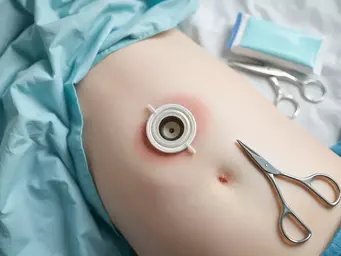
When it comes to recovery after a mastectomy, understanding the role of surgical drains can be both
Mastectomy Preparation: Key Instructions Explained

As you prepare for your mastectomy, understanding what lies ahead can transform uncertainty into con
Embracing Flat: Real Patient Stories

What if the journey after a mastectomy could be navigated with confidence and empowerment? Understan

Caring for Drains and Incisions
Mastectomy Preparation: Key Instructions Explained
Embracing Flat: Real Patient Stories
Patient Support in Mastectomy Recovery
Mastectomy Complications and Care Guide