
Lymphedema: Swelling & Heaviness
Swelling in arm/chest, feeling of heaviness or tightness, changes in skin texture. Develops days to months post-surgery.
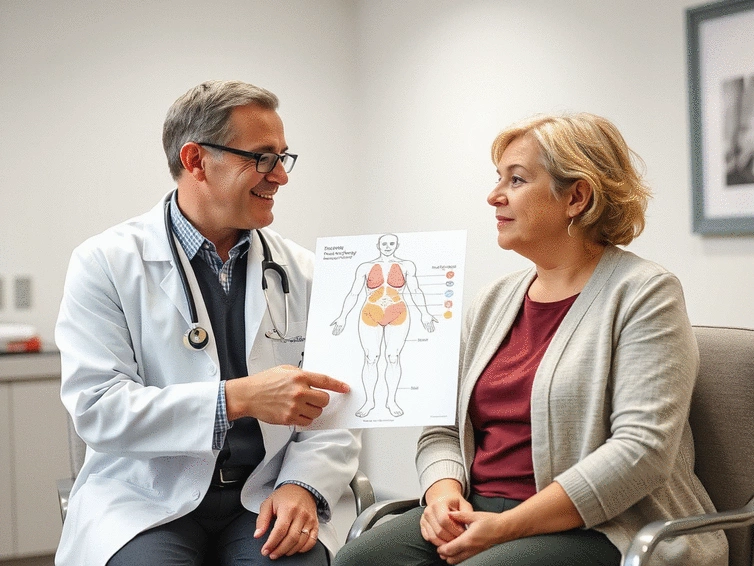
Are you aware of the potential complications that may arise after a mastectomy? Understanding these issues can significantly empower your recovery journey, allowing you to take proactive steps toward your health and well-being.
Understanding potential complications after a mastectomy can empower you in your recovery. Below are the most frequent issues, their signs, and what to look for.
Swelling in arm/chest, feeling of heaviness or tightness, changes in skin texture. Develops days to months post-surgery.
Swelling at surgical site, fluid accumulation under skin, increased pain. Requires medical evaluation.
Increased redness/swelling, fever/chills, pus/drainage from incision. Seek immediate medical attention.
Persistent burning or shooting pain, localized or radiating into the arm. Communicate with healthcare team.
Numbness, tingling, or weakness in arm/chest. Discuss these sensations with your surgeon.
Swelling/bulging at incision, increased pain, changes in skin color. Inform your healthcare provider.
After undergoing a mastectomy, it's essential to be aware of potential complications. Recognizing these complications early can significantly enhance your recovery journey. Here at Mastectomy Insight Hub, we aim to empower you with knowledge, so you feel equipped to navigate any challenges that may arise.
Let's explore the most frequent complications that patients may encounter post-mastectomy, ensuring you know what to look out for as you heal.
Understanding each of these complications can help you recognize symptoms early and seek out appropriate care. Below, we dive deeper into these common issues to provide you with valuable insights.
Lymphedema is a common complication that can occur after a mastectomy, often due to lymph node removal. This condition involves swelling in the arm or chest area, and it can develop days, weeks, or even months post-surgery. Early signs include:
Recognizing these symptoms early can lead to timely intervention, which is crucial for managing lymphedema effectively. For more detailed information on lymphedema and other complications, the American Society of Breast Surgeons offers comprehensive resources.

Seroma is another complication characterized by the accumulation of fluid in the surgical area. This condition may arise from the surgical procedure itself. Key warning signs to look out for include:
If you notice these signs, it is important to contact your healthcare provider for evaluation!
Post-surgery, infection is a risk that should never be underestimated. Identifying the signs of infection early can prevent serious complications. Keep an eye out for:
If any of these symptoms develop, it’s critical to seek medical attention immediately! Knowing what to look for can help you identify breast cancer symptoms and potential post-surgical complications, as highlighted by the Centers for Disease Control and Prevention (CDC).
Post-Mastectomy Pain Syndrome (PMPS) refers to chronic pain that can occur after surgery. This pain may be localized or radiate into the arm, often described as burning or shooting sensations. It’s vital to communicate any persistent pain to your healthcare team to explore management options. For guidelines on managing post-operative pain, refer to resources like the National Comprehensive Cancer Network (NCCN).
Another complication that may arise is nerve damage, which can lead to numbness, tingling, or weakness in the arm or chest area. These sensations can be an indication of nerve injury during surgery. If you experience these symptoms, please discuss them with your surgeon.
Hematomas occur when blood collects outside of blood vessels, typically at the surgical site. Symptoms may include:
Always keep your healthcare provider informed about any unexpected symptoms after surgery!
Have you experienced any of the complications discussed in this article after your mastectomy? Share your thoughts below:
As you navigate the journey after a mastectomy, understanding the potential complications is essential. We've discussed several common issues, including lymphedema, seroma, and the importance of recognizing signs of infection. Each of these can significantly impact your recovery, but being aware of the early signs can empower you to take action.
Remember, your recovery is unique, and being proactive about your health can lead to better outcomes. Here’s a quick recap of the key complications to watch for:
Ensuring regular follow-up appointments with your healthcare providers is crucial for monitoring these issues. Follow-up care allows for timely interventions and ongoing support during your healing journey.
Staying in touch with your healthcare team is vital as they can provide tailored advice specific to your recovery. Not only do these appointments help track any complications, but they also offer a chance to discuss your concerns and experiences. Don’t underestimate the value of these visits! They are an opportunity to receive personalized care and reassurance.
When scheduling your appointments, keep in mind the following:
Through ongoing communication, you can help ensure that your healing journey is as smooth and informed as possible.

Establishing a strong relationship with your healthcare professionals is a cornerstone of your post-mastectomy experience. Don’t hesitate to reach out to your oncologist or surgeon whenever you have questions or concerns. They are your allies in understanding your health and navigating the complexities of recovery.
Here are a few tips to effectively connect with your healthcare team:
Connecting with others who have been through similar experiences can provide immense comfort and guidance. At Mastectomy Insight Hub, we believe in the power of community. Consider reaching out to local or online support groups where you can share your journey and learn from others.
Support groups can be a fantastic resource for emotional support and practical advice. Here are some options to consider:
Finding your tribe can offer not only emotional support but also practical insights that can empower your recovery.
Understanding your health insurance coverage is crucial in the post-operative phase. Don’t hesitate to reach out to your insurance provider for clarification on what is covered regarding follow-up care and support services. Additionally, seek out patient resources that can assist you in navigating your recovery effectively.
Consider these steps:
Taking these actions ensures you prioritize your health and well-being as you continue your journey toward recovery. Each step you take is a vital part of empowering yourself!
Here is a quick recap of the important points discussed in the article:
Maintaining regular follow-up appointments is crucial for timely intervention and support.
Caring for Drains and Incisions
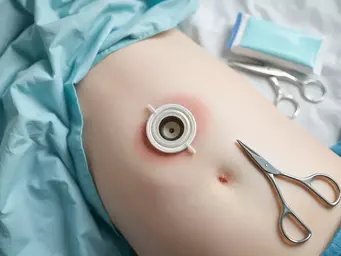
When it comes to recovery after a mastectomy, understanding the role of surgical drains can be both
Mastectomy Preparation: Key Instructions Explained

As you prepare for your mastectomy, understanding what lies ahead can transform uncertainty into con
Embracing Flat: Real Patient Stories

What if the journey after a mastectomy could be navigated with confidence and empowerment? Understan

Caring for Drains and Incisions
Mastectomy Preparation: Key Instructions Explained
Embracing Flat: Real Patient Stories
Patient Support in Mastectomy Recovery
Mastectomy Complications and Care Guide